|
COMETS EARTH JUPITER KUIPER BELT MARS MERCURY METEORITES NEPTUNE OORT CLOUD PLUTO SATURN SOLAR SYSTEM SPACE SUN URANUS VENUS ORDER PRINTS
PHOTO CATEGORIES SCIENCEVIEWS AMERICAN INDIAN AMPHIBIANS BIRDS BUGS FINE ART FOSSILS THE ISLANDS HISTORICAL PHOTOS MAMMALS OTHER PARKS PLANTS RELIGIOUS REPTILES SCIENCEVIEWS PRINTS
|
 |
Related Document
Download Options
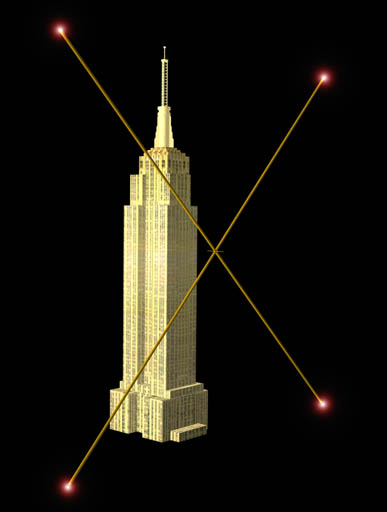
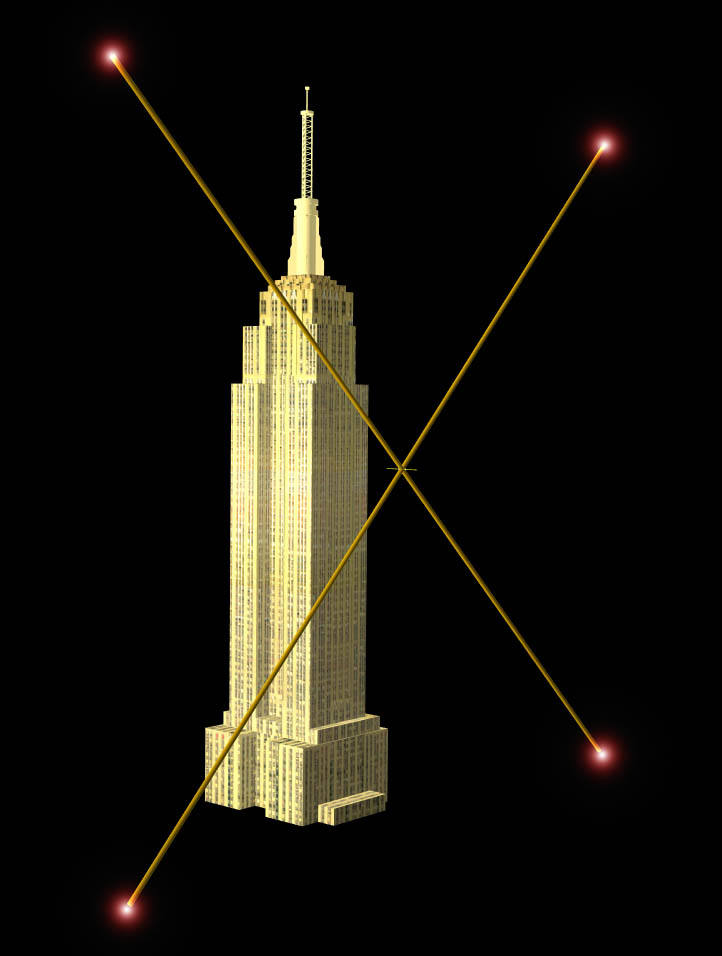
The Radio Plasma Imager (RPI) on IMAGE is the first-of-its-kind instrument designed to study the dynamics of the magnetosphere by using radar techniques. In order to generate very low frequency radio waves and to receive the resulting echoes, RPI uses very long dipole antennas. IMAGE has 2 spin-plane dipole antennas (along the spacecraft X and Y axis) and one spin-axis dipole antenna (along the spacecraft Z axis). The X and Y axis antennas are 1647 ft or 500 meters tip-to-tip each. These antennas are 182 ft longer than the height of the Empire State Building, making the IMAGE spacecraft the largest dipole antenna system currently in space. The IMAGE spin-axis dipole antenna is about 66 feet long or 20 meters tip-to-tip in length (not shown). The octagon shaped IMAGE spacecraft measures 7.4 ft in diameter by 4.9 ft in height with the antennas retracted, and weighs 1,089 lbs. |